Orora’s Circular Glass Manufacturing Process: How We Turn Recycled Glass Into New Packaging Again and Again
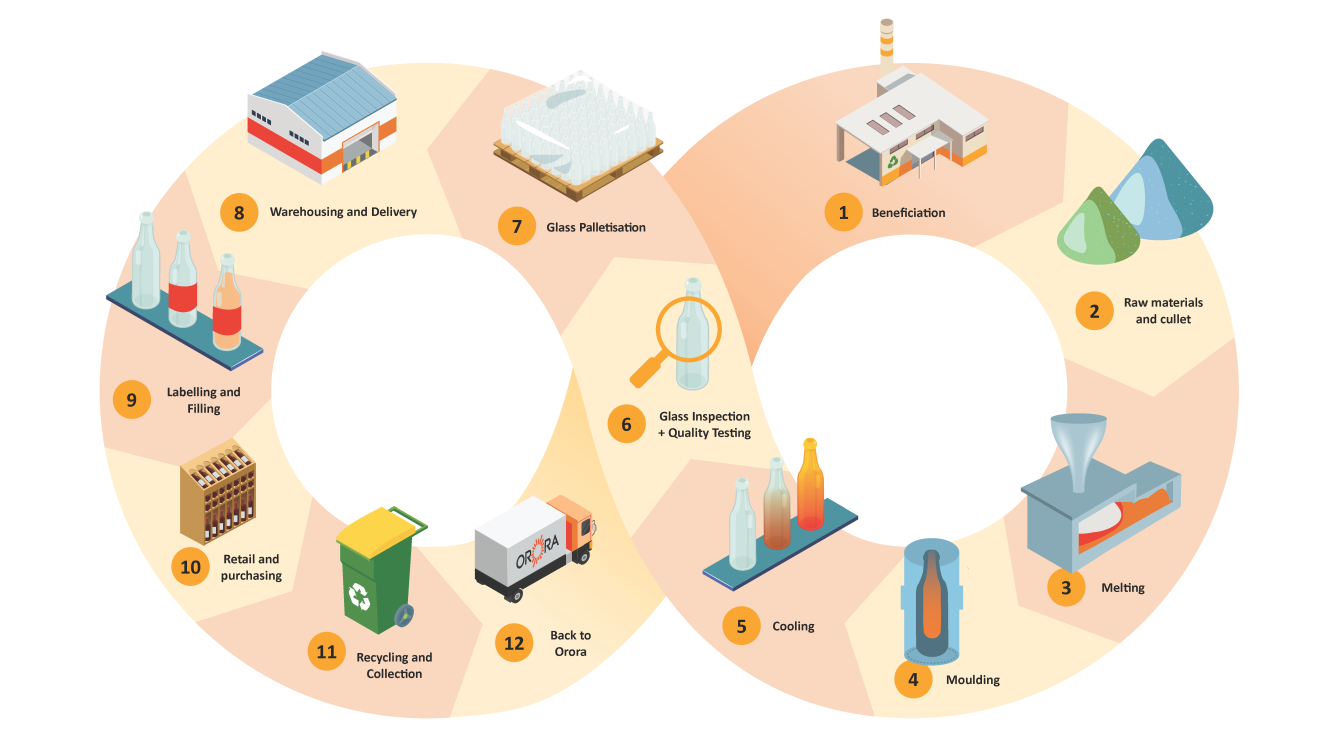
At Orora, circularity is more than an ambition — it’s our operating model. Every bottle and jar we make is part of a closed‑loop system designed to reduce waste, conserve resources and maximise the use of recycled glass. Here’s how our 12‑step circular manufacturing process works.
1. Beneficiation: Refining What’s Recovered
Before any recycled glass — or cullet — enters our furnace, it goes through a highly specialised beneficiation process.
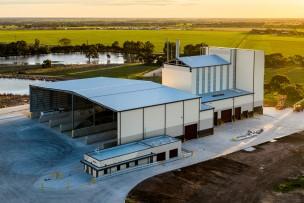
At Orora’s own onsite beneficiation plant, recovered glass is cleaned, purified and colour‑sorted to meet strict manufacturing standards.
This advanced facility removes contaminants such as:
- Paper and labels
- Caps and closures
- Metals
- Ceramics, stones and other non‑glass materials
Using optical sorting, crushing and screening technologies, our beneficiation plant ensures that only high‑quality, furnace‑ready cullet is produced. This high‑purity cullet melts more efficiently, supports consistent product quality and significantly reduces the need for virgin raw materials. By operating this facility onsite, Orora ensures a reliable, circular supply of clean recycled glass right where it’s needed — at the heart of the manufacturing process.
2. Combining Raw Materials and Cullet: The Foundation of Every Bottle
Each new glass container starts with a blend of natural raw materials — silica sand, limestone and soda ash — combined with the recycled cullet produced in Step 1.
The higher the cullet content, the greater the sustainability benefits: lower furnace energy use and reduced CO2 emissions. This mix forms the batch that will soon become molten glass, and later, a brand‑new container.
3. Melting: Transforming Materials into Liquid Glass
The refined mix of cullet and raw materials enters Orora’s furnaces, including our state‑of‑the‑art oxy‑fired furnace.
Unlike traditional furnaces that use air combustion, our oxy‑fired furnace uses pure oxygen, dramatically improving combustion efficiency, reducing carbon dioxide (CO2) and nitrogen oxide (NOx) emissions.
Inside the furnace, temperatures reach around 1,500°C — hot enough to melt the batch into a smooth, molten liquid glass.
Because cullet melts at a lower temperature than raw materials, using more recycled glass makes the furnace more energy‑efficient and further reduces our carbon footprint.
4. Moulding: Shaping Each Glass Container
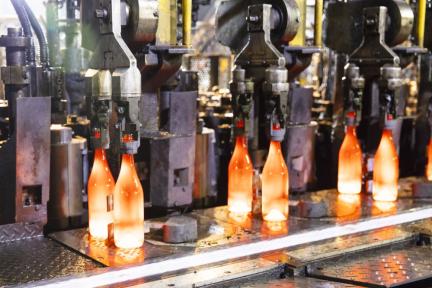
Once molten, the glass is cut into gobs — small, precisely measured portions — which are fed into forming machines.
These gobs are blown or pressed into moulds to create bottles and jars of various shapes and sizes, tailored to our customers in the food and beverage industries.
5. Cooling: Strengthening for Use
After forming, the hot containers pass through an annealing lehr — a long, temperature‑controlled tunnel.
This gradual cooling process relieves internal stresses, ensuring that every bottle is strong, safe and ready for filling.
6. Inspection and Quality Testing: Ensuring Every Bottle Meets Our Standards
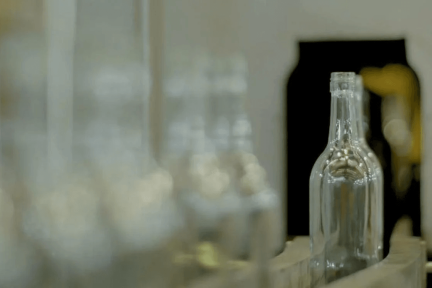
Every glass container undergoes rigorous automated inspection, supported by skilled technicians.
We check for dimensional accuracy, strength, clarity, glass distribution and overall integrity — ensuring that each product meets Orora’s stringent quality standards.
7. Palletisation: Efficient, Automated and Ready for Transport
Once approved, finished bottles enter the palletisation stage, where advanced automation takes over.
Robotic systems stack bottles onto pallets with precision, using interlayers and securing systems to hygienically protect products during shipping and storage.
This step also includes:
- Automated shrink and stretch‑wrapping for stability
- Pallet labelling for full traceability
- Quality checks to ensure pallets meet transport specifications
These carefully prepared pallets are optimised for freight efficiency, ensuring safe delivery while reducing the environmental footprint of logistics.
8. Warehousing and Delivery: Ready for Our Customers
From the palletiser, products move into Orora’s warehousing network.
They are stored, tracked and delivered across Australia and beyond to fillers, manufacturers and brand partners who rely on our service, quality and consistency.
9. Labelling and Filling: Bringing Brands to Life
At our customers’ facilities glass containers are filled, capped and labelled.
They become the bottles and jars consumers recognise on shelves — packaging that is durable, premium and infinitely recyclable.
10. Retail and Purchasing: Into the Hands of Consumers
Filled products are distributed to retailers where consumers buy and enjoy them.
And because glass is endlessly recyclable without losing quality, the product’s story continues long after consumption.
11. Recycling and Collection: The Start of the Loop Again
After use, containers are placed into kerbside or drop‑off recycling systems.
The collected glass is returned to Orora for re-commencement of the beneficiation process.
12. Cullet Returns to Orora
Recycled glass arrives back at our beneficiation plant as cullet.
This material re‑enters the production cycle, helping us create new containers and continue closing the loop — bottle after bottle, year after year.
A Truly Circular System
From raw materials through recycling, every stage of Orora’s glass manufacturing process supports a circular economy.
By reusing glass endlessly, we reduce waste, cut emissions and conserve natural resources — all while delivering the highest quality glass packaging solutions for our customers.
Learn more about sustainability and our promise to the future.